-
Pure Air, Peak Performance: Filters & Consumables Guide
In high-dust environments from construction sites to woodworking shops your air scrubber or dust extractor is only as effective as the filters inside it. Neglecting these consumables doesn't just lower air quality; it places immense strain on your machine's motor, leading to costly motor failures.
To maintain a "clean air" certification and protect workers from hazardous particles, a multi-stage filtration strategy is essential.
The Three Stages of Air Filtration
Most professional units use a sequential "chain" of filters to maximize efficiency and extend the life of the most expensive component: the HEPA filter.
-
Stage 1: G4 Pre-Filters (The First Line of Defense)
-
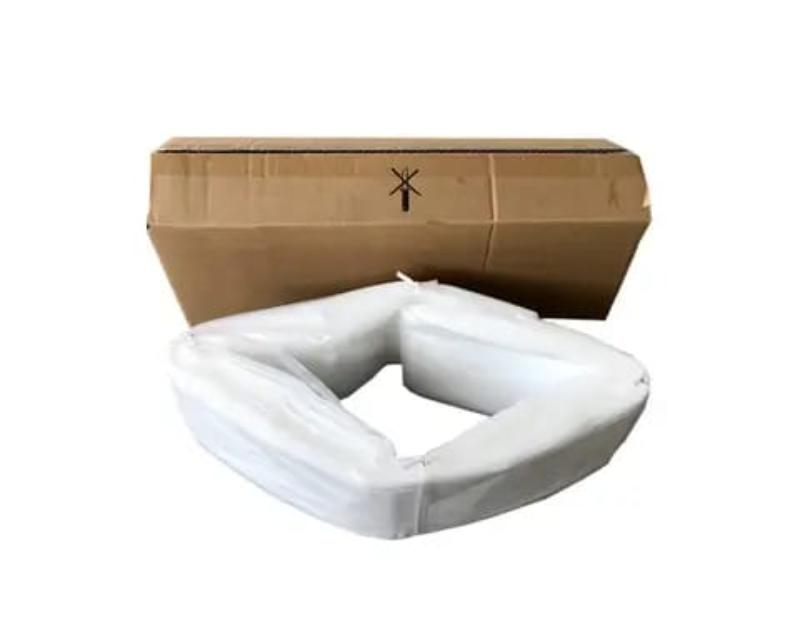
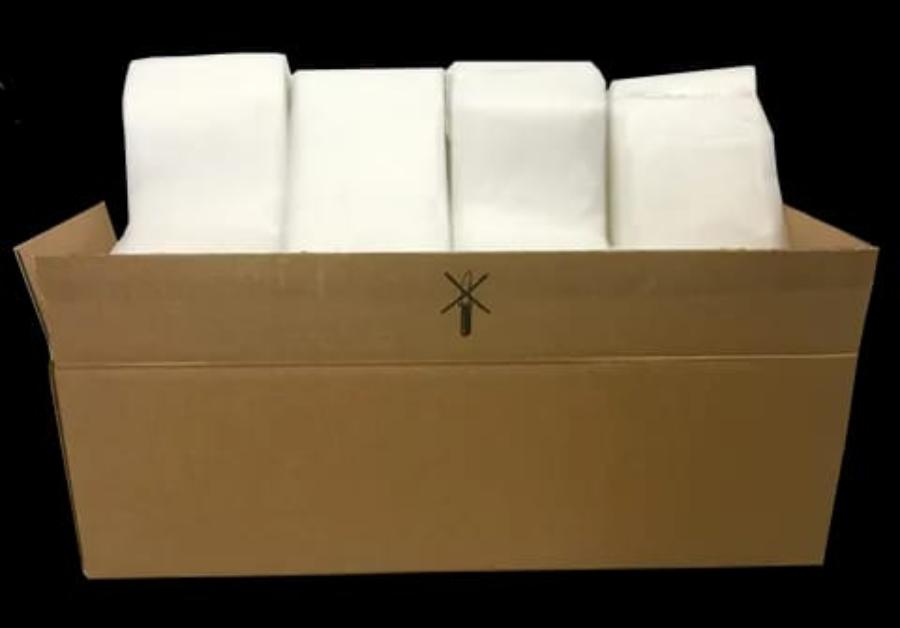
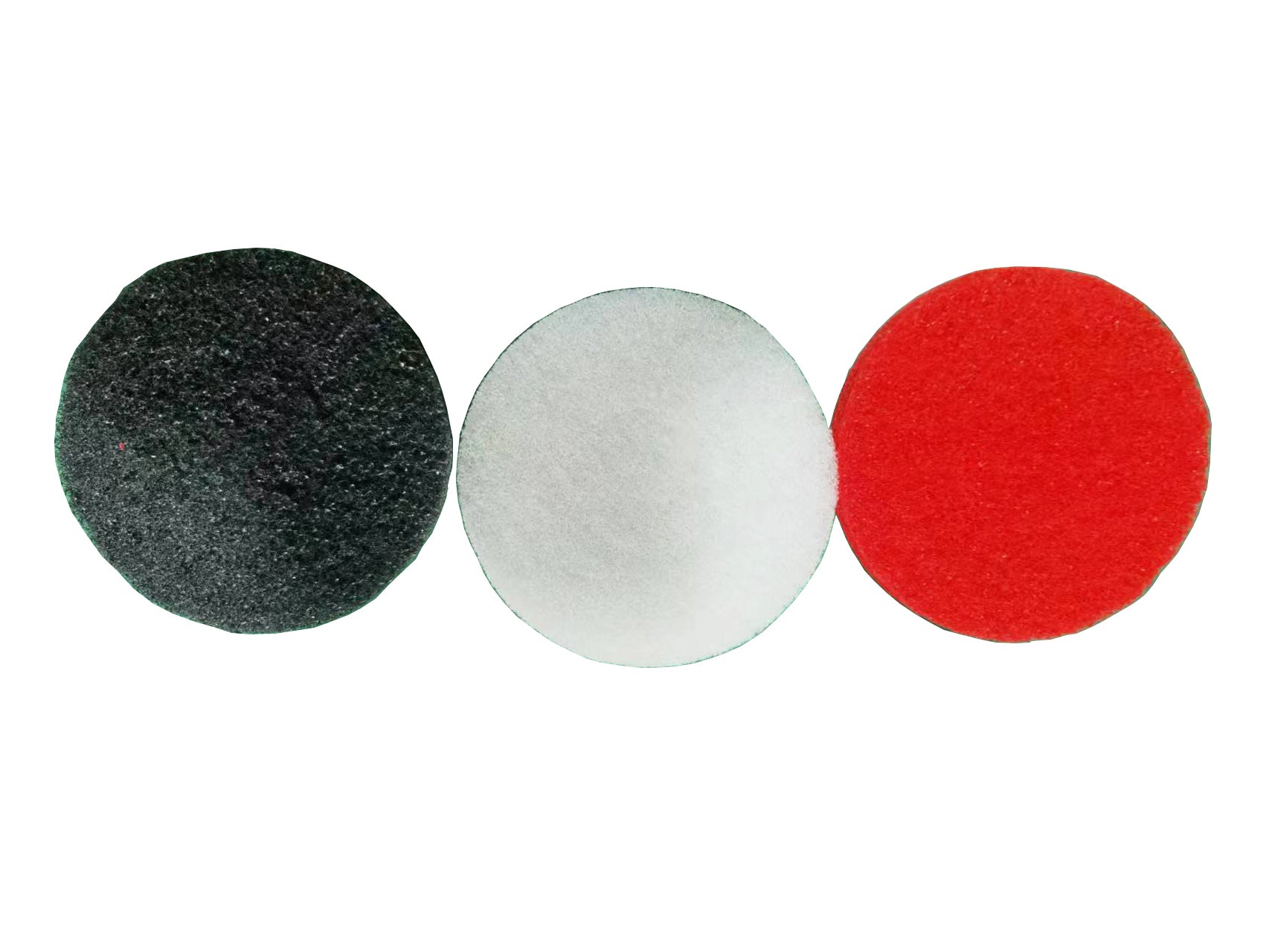
Function: Captures large particles like sawdust, hair, and lint.
-
Maintenance: These are inexpensive and should be replaced frequently to protect your high-end filters from "blinding" (clogging prematurely).
-
-
Stage 2: Carbon Filters (Odour & VOC Control)
-
Function: Uses activated carbon to adsorb chemical fumes, paint smells, and Volatile Organic Compounds (VOCs).
-
Indicator: Replace when the exhaust air begins to smell "stale."
-
-
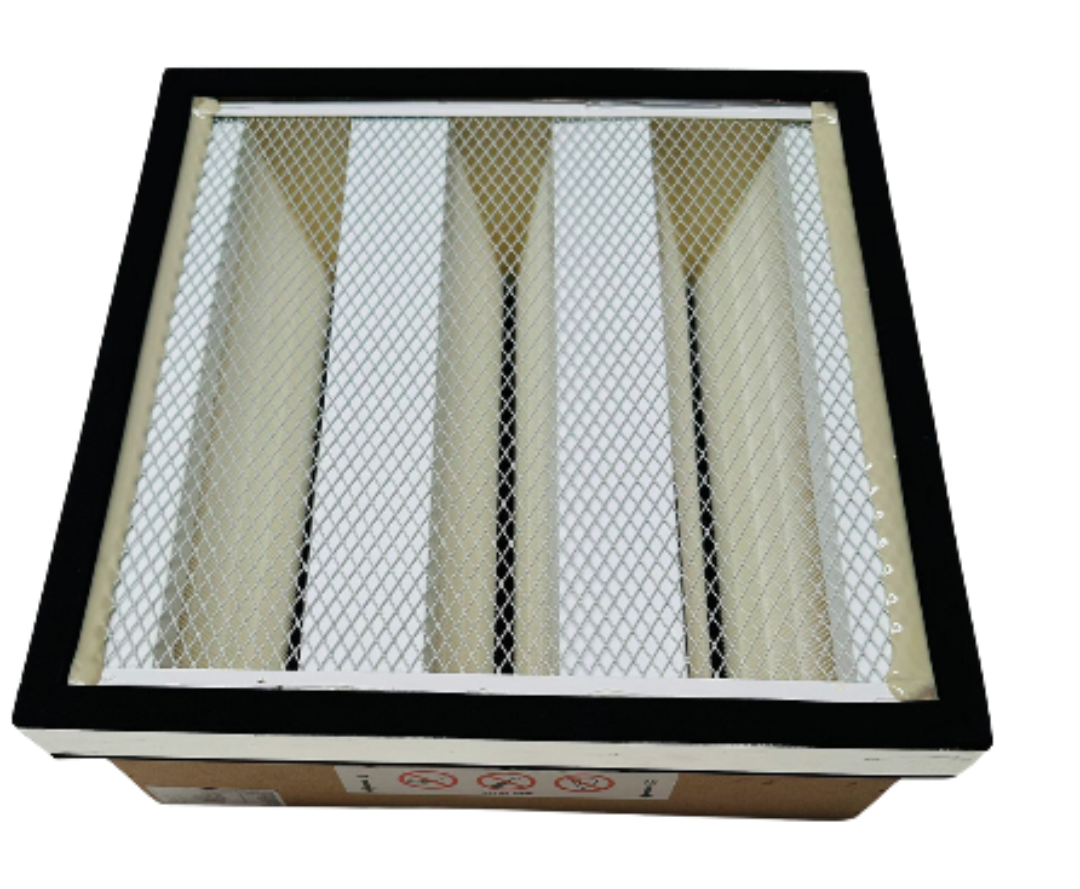
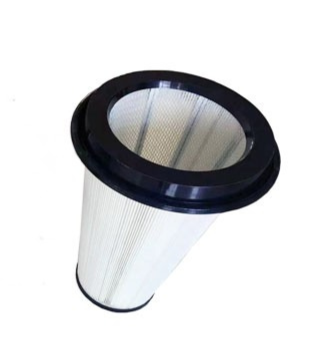
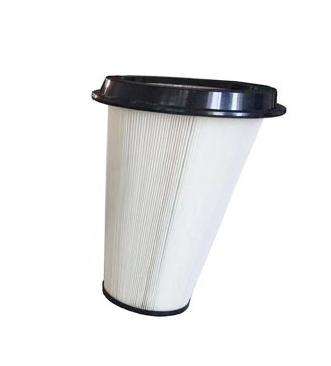
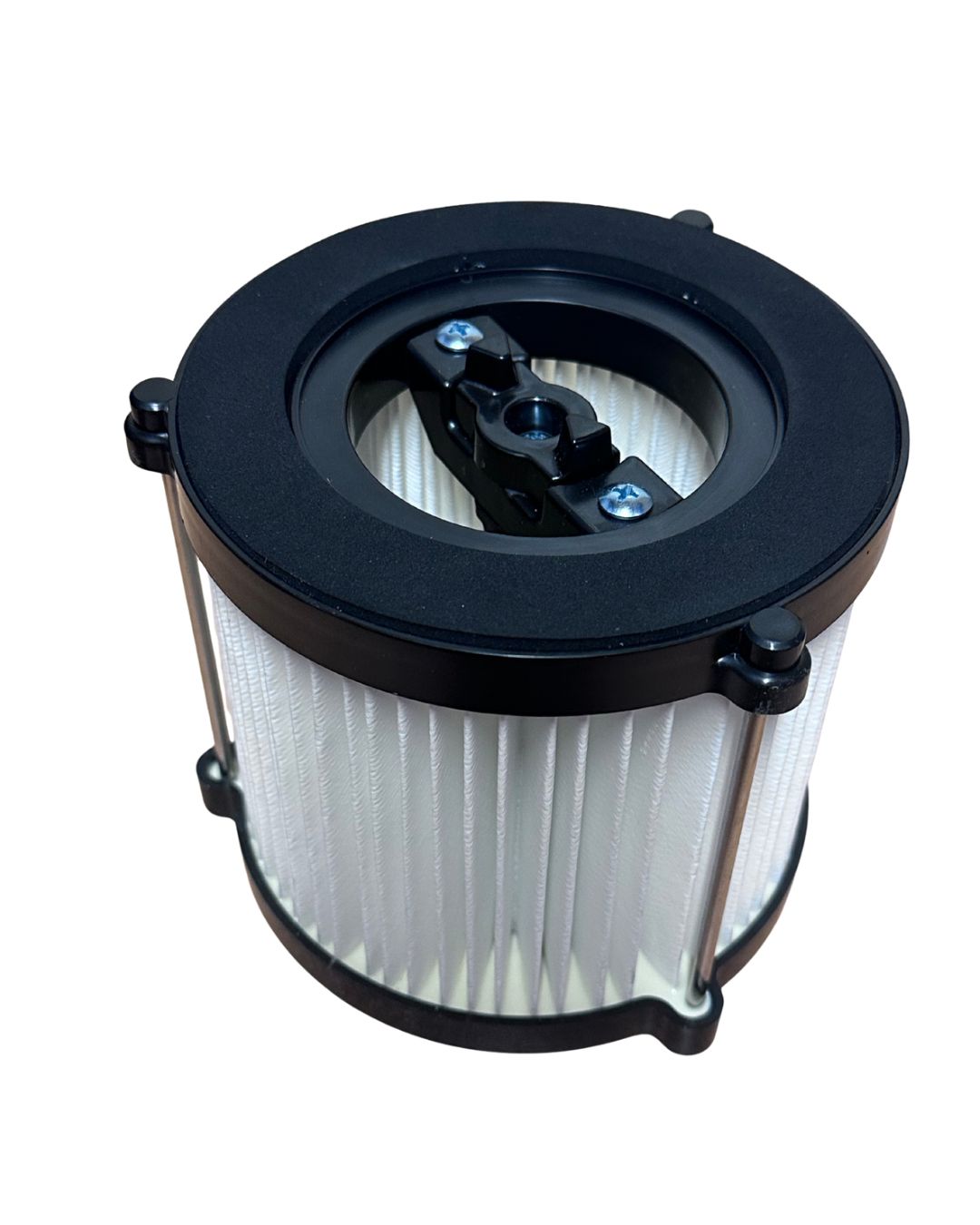
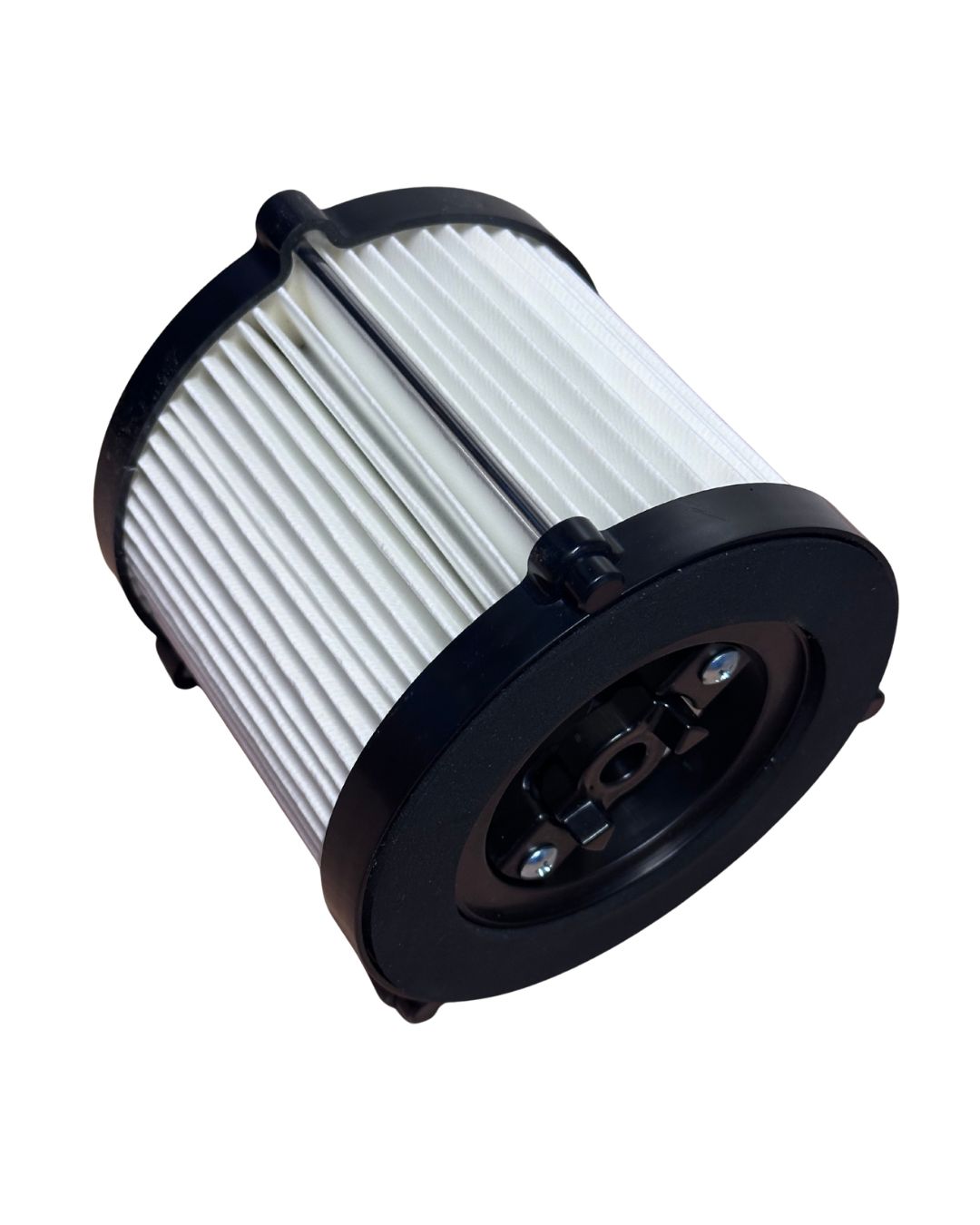
Stage 3: HEPA H13/H14 Filters (The Performance Core)
-
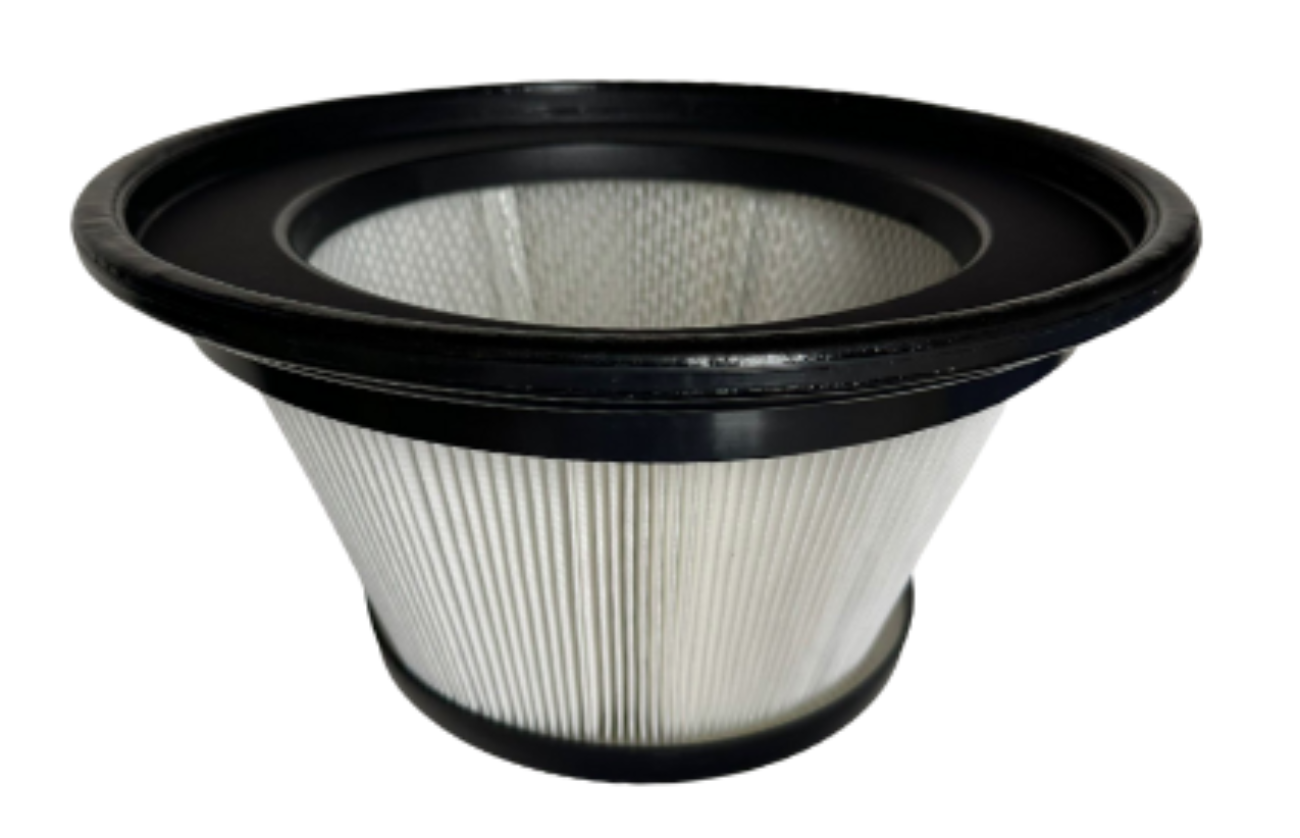
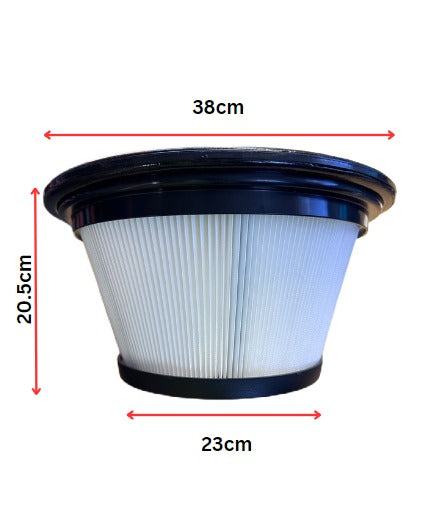
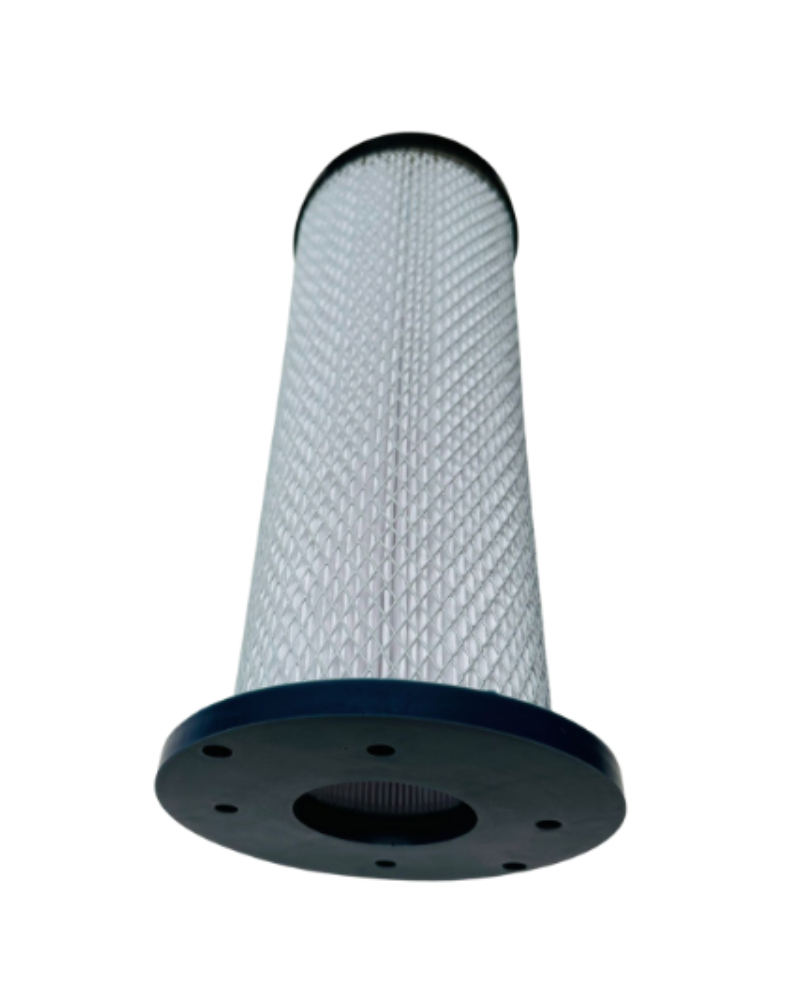
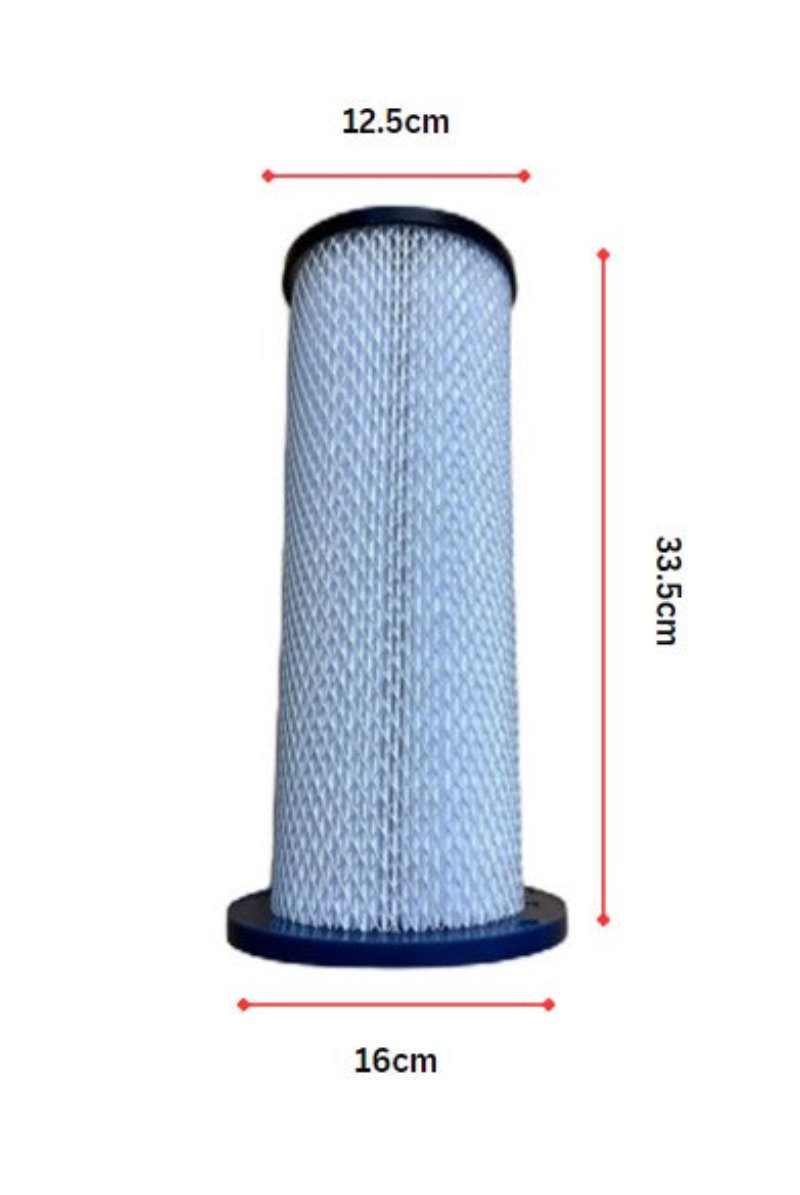
The Standard: High-Efficiency Particulate Air (HEPA) filters are the final and most critical stage. A certified HEPA filter must capture 99.97% to 99.99% of particles as small as 0.3 microns.
-
Health Safety: This includes microscopic silica dust, asbestos fibers, lead paint dust, and mould spores that standard filters miss.
-
Compliance: Using a genuine, undamaged HEPA filter is often a legal requirement for indoor air scrubbing and hazardous material abatement.
-
-